Speech, Occupational, and AAC Therapy Services for Children
Providing child and family centered speech therapy services in Palos Heights, Illinois.
Evaluations
At Prism, evaluations and therapy are individualized, collaborative, and strengths-based. Evaluations are intended to understand how each child communicates, learns, and participates across daily routines. We use a combination of formal tools, observation, play-based interaction, and caregiver input to guide recommendations.
Therapy
Therapy is child-centered and goal-driven, with sessions designed to support meaningful communication, regulation, and participation. We partner closely with families to ensure strategies are functional, responsive, and supportive of each child’s unique needs - with growth that happens inside the therapy room and beyond.

Our Specialties
Speech Sound Disorders
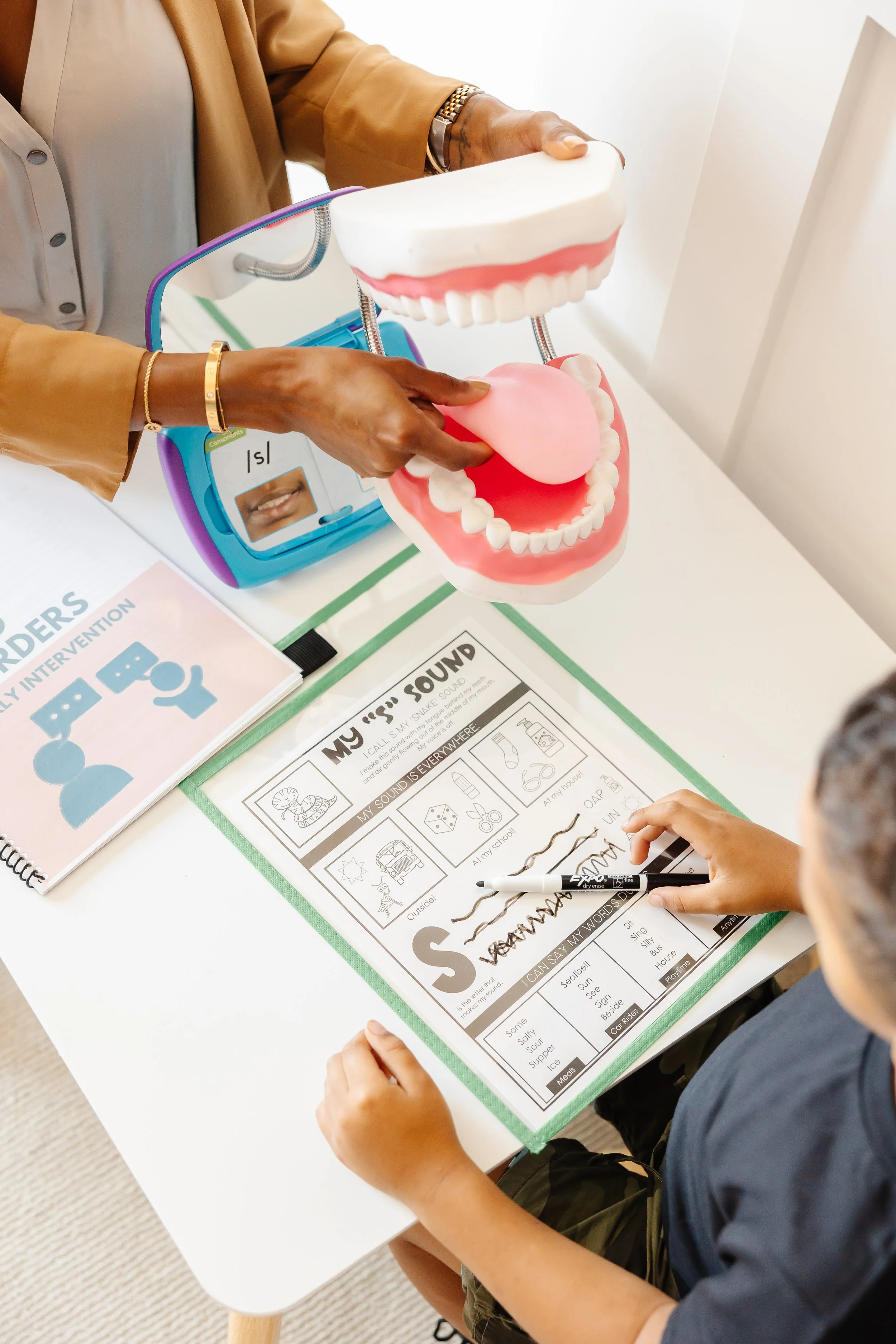
Speech therapy supports children who have difficulty being understood or producing speech sounds clearly and consistently. It may be helpful for children who:
Are hard for others to understand
Leave sounds out, replace sounds,
or use sounds inconsistentlyHave difficulty coordinating the movements needed for speech
Have a lisp or unclear speech that affects confidence
Therapy focuses on improving clarity, consistency, and confidence through supportive, achievable activities that help children feel successful communicating.
Speech therapy at Prism may support children with:
Speech Sound Disorders
Childhood Apraxia of Speech
Motor Speech Delays
Phonological Disorders
Articulation Delays
Language Disorders/Late Talkers
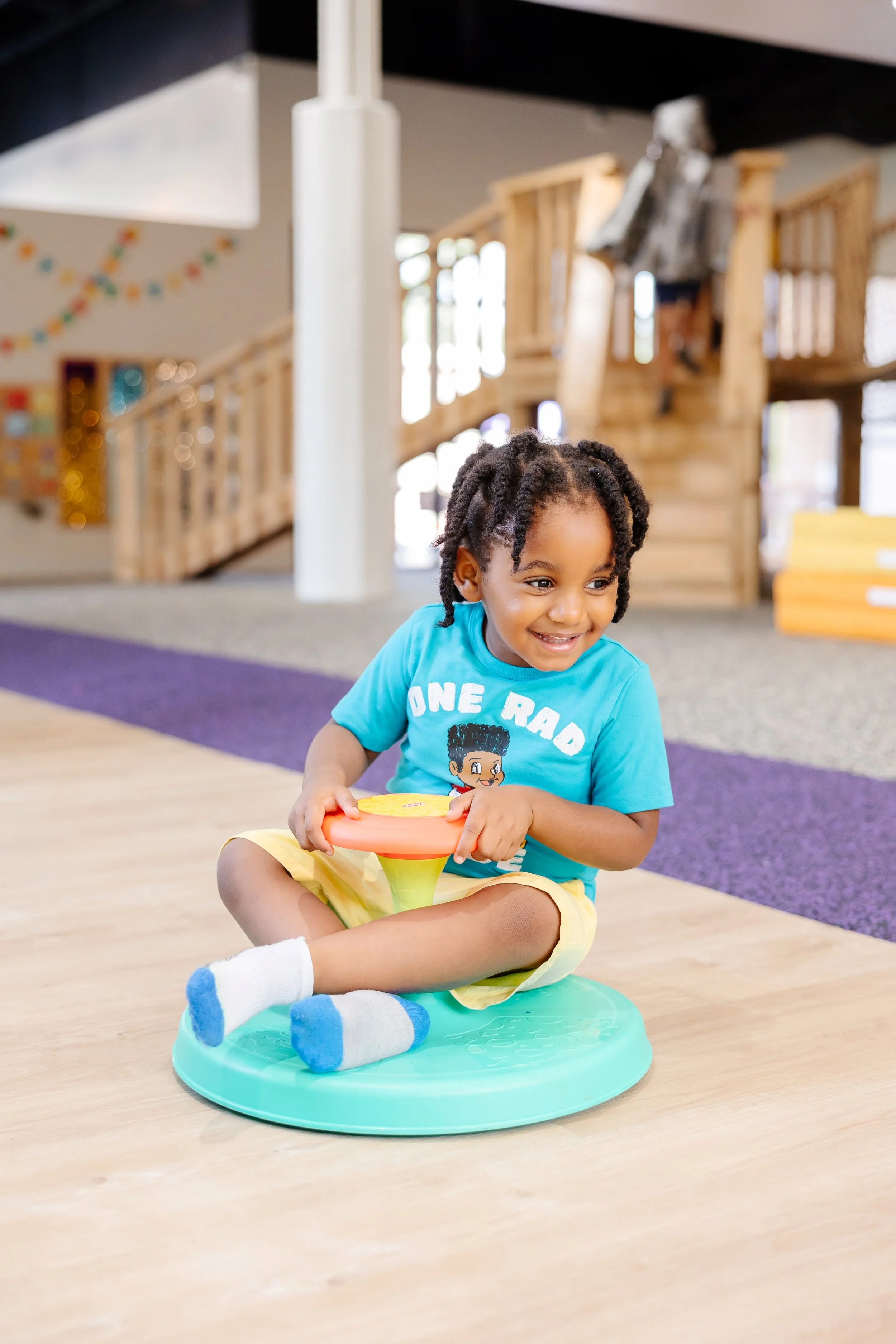
Language therapy supports children who have difficulty understanding language, using words and sentences, or interacting with others. It may be helpful for children who need support with:
Expressing wants, needs, and ideas
Expanding vocabulary and sentence length
Understanding directions and questions
Using language to interact, play, and connect with others
Developing social communication skills
Language support is individualized and rooted in real-life communication, using meaningful interactions that help children build confidence and functional language skills.
Language therapy at Prism may support children with:
Language Delays
Receptive and/or Expressive Language Disorders
Social Communication Differences
Language-Based Learning Differences
Language Differences associated with Autism or Neurodivergence
Augmentative/
Alternative Communication (AAC)
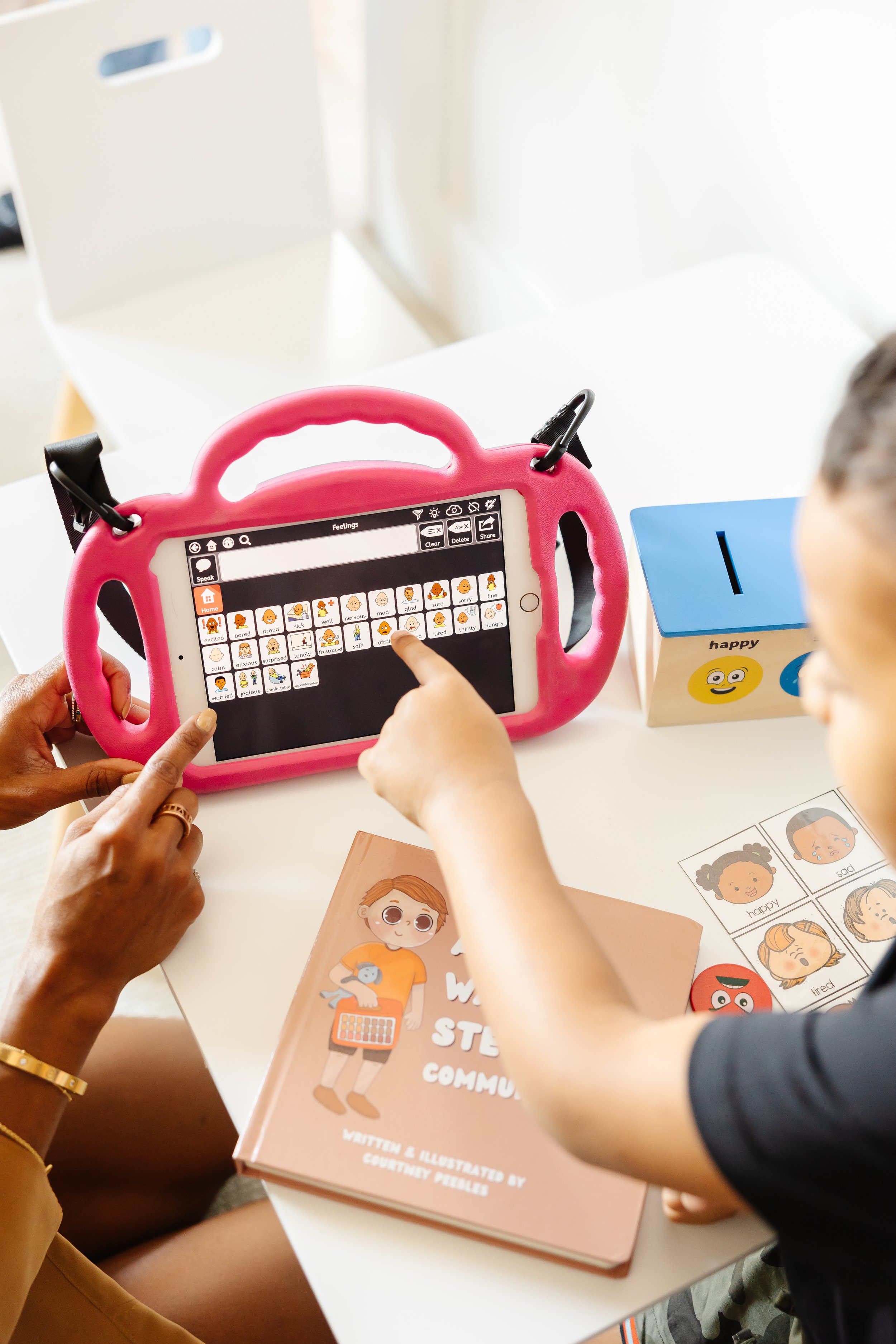
Augmentative & Alternative Communication (AAC) supports children and young adults who do not yet have consistent, reliable, or accessible speech. It may be helpful for individuals who:
Have limited or unclear verbal speech
Have difficulty expressing wants, needs, or ideas
Become frustrated when trying to communicate
Have limited vocabulary and language which impacts daily communication.
Therapy focuses on building meaningful, functional communication across everyday experiences while helping families and teams feel confident modeling and using AAC in natural ways.
AAC therapy at Prism may support children and young adults with:
Autism
Developmental Delays
Childhood Apraxia of Speech
Genetic or neurological conditions
Acquired brain injury or other communication differences
Anyone with intermittent, inconsistent, or unreliable access to speech.
Occupational Therapy
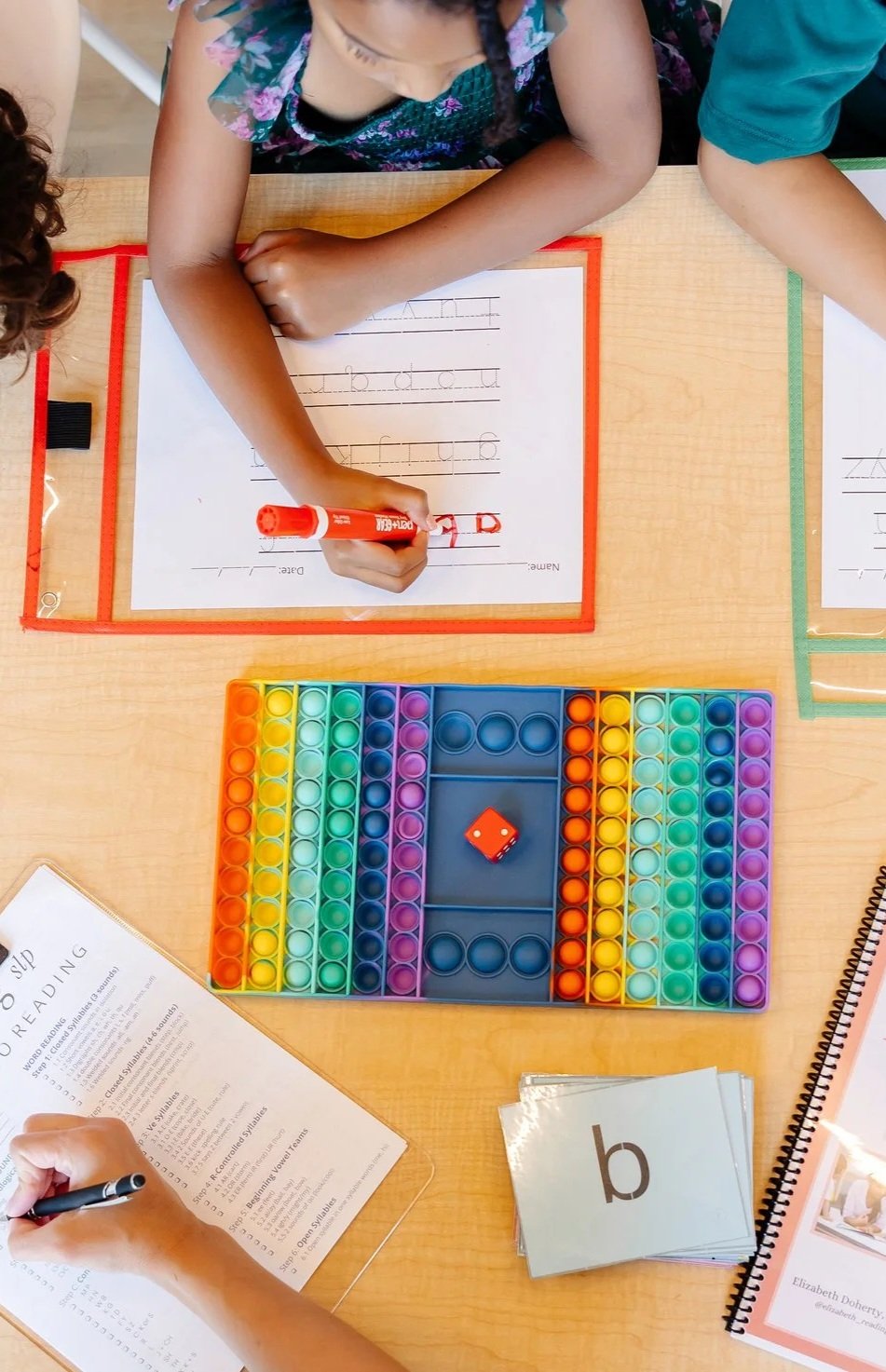
Occupational therapy supports children in building the skills they need to participate in everyday activities at home, school, and in the community. OT focuses on helping children develop independence, confidence, and comfort with tasks such as play, self-care, learning, and regulation. Therapy is individualized and strengths-based, using engaging, meaningful activities to support how each child moves, interacts, and experiences the world.
Occupational therapy at Prism may support children with:
Fine Motor Delays
Sensory Processing Differences
Self-Regulation or Attention Challenges
Motor Planning or Coordination Difficulties
Developmental Delays
Autism or Neurodivergence
Cerebral Palsy
Genetic or Neurological Conditions
Acquired differences (including brain injury or illness)